WATCH THE FILM


COME AND VISIT US
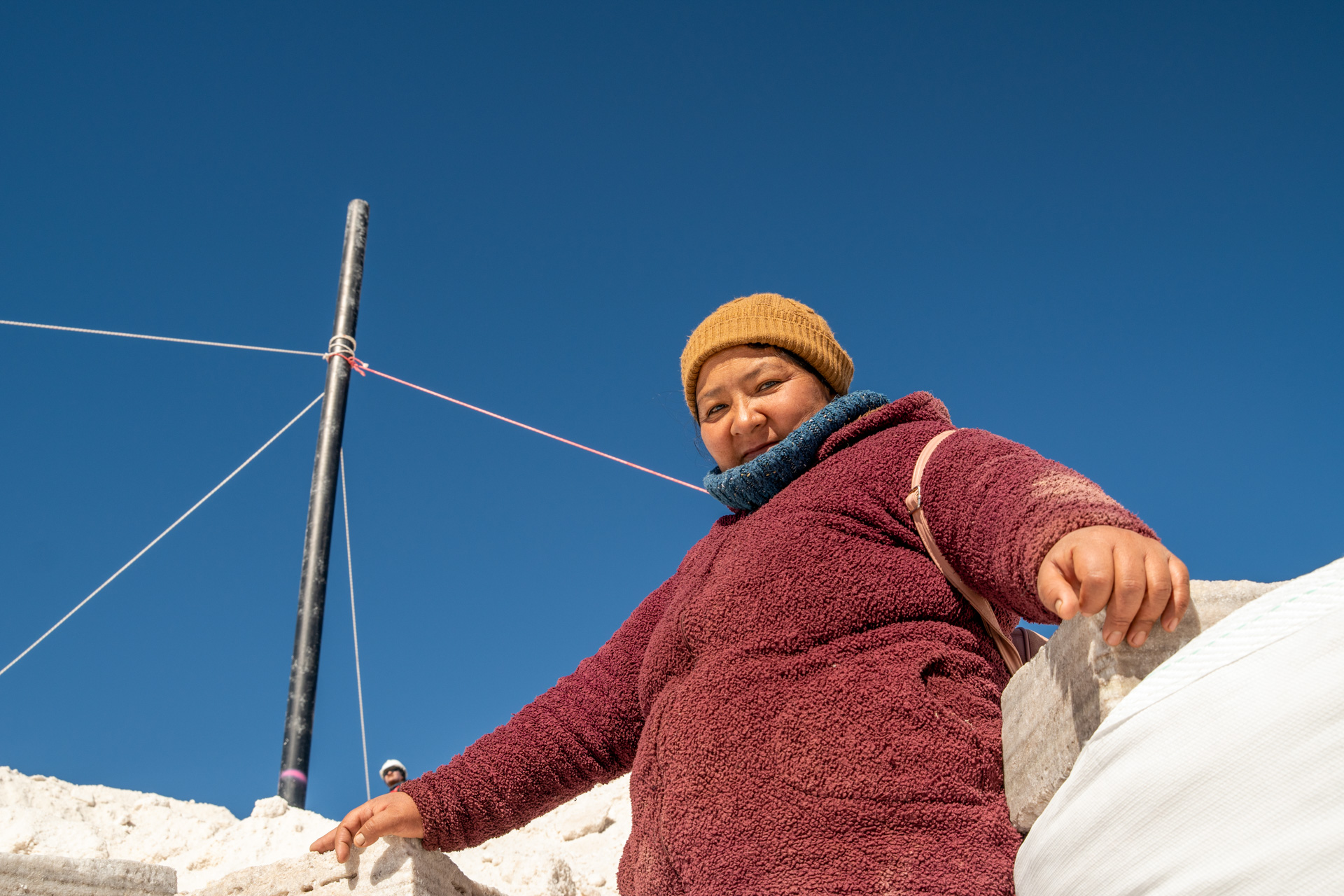
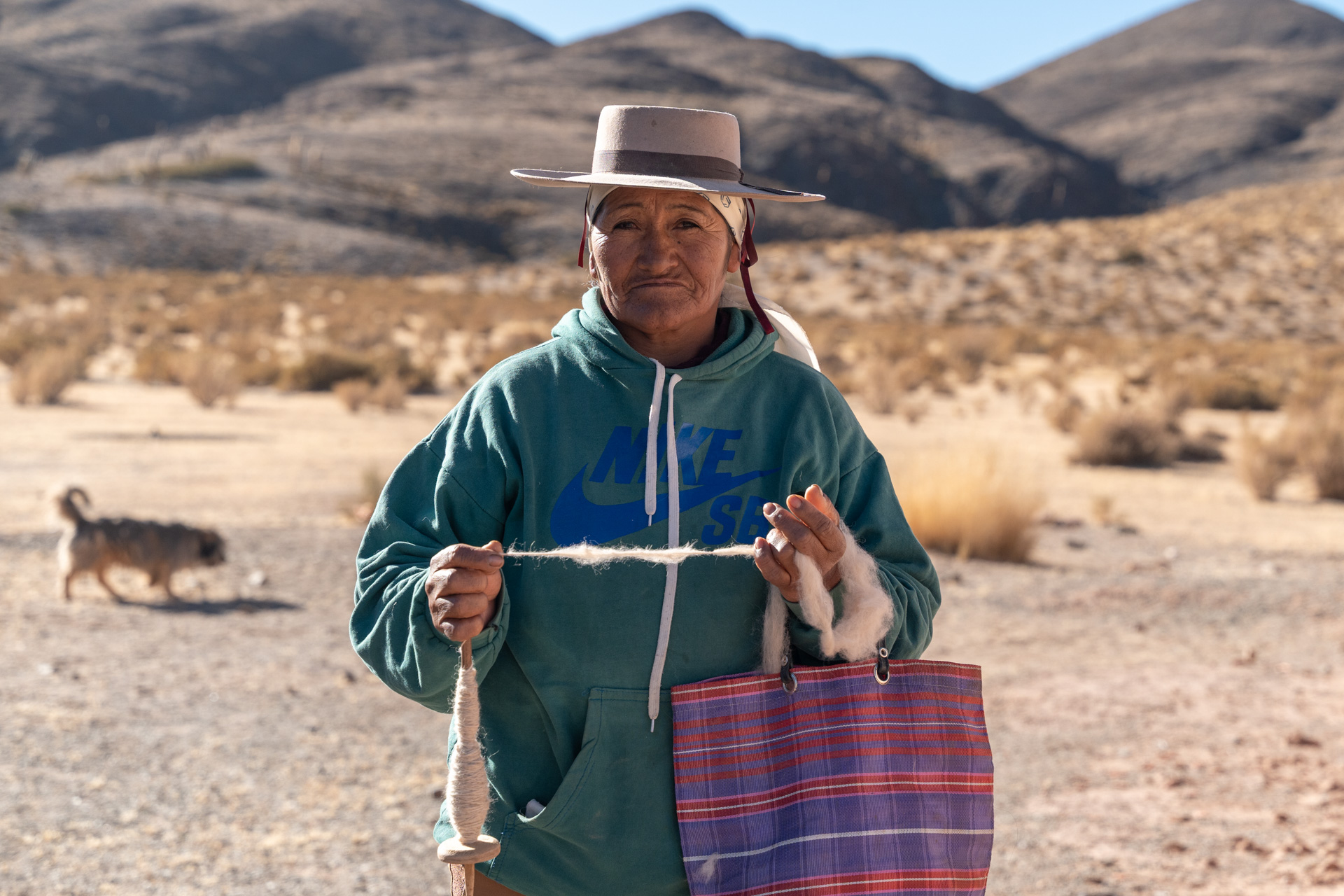
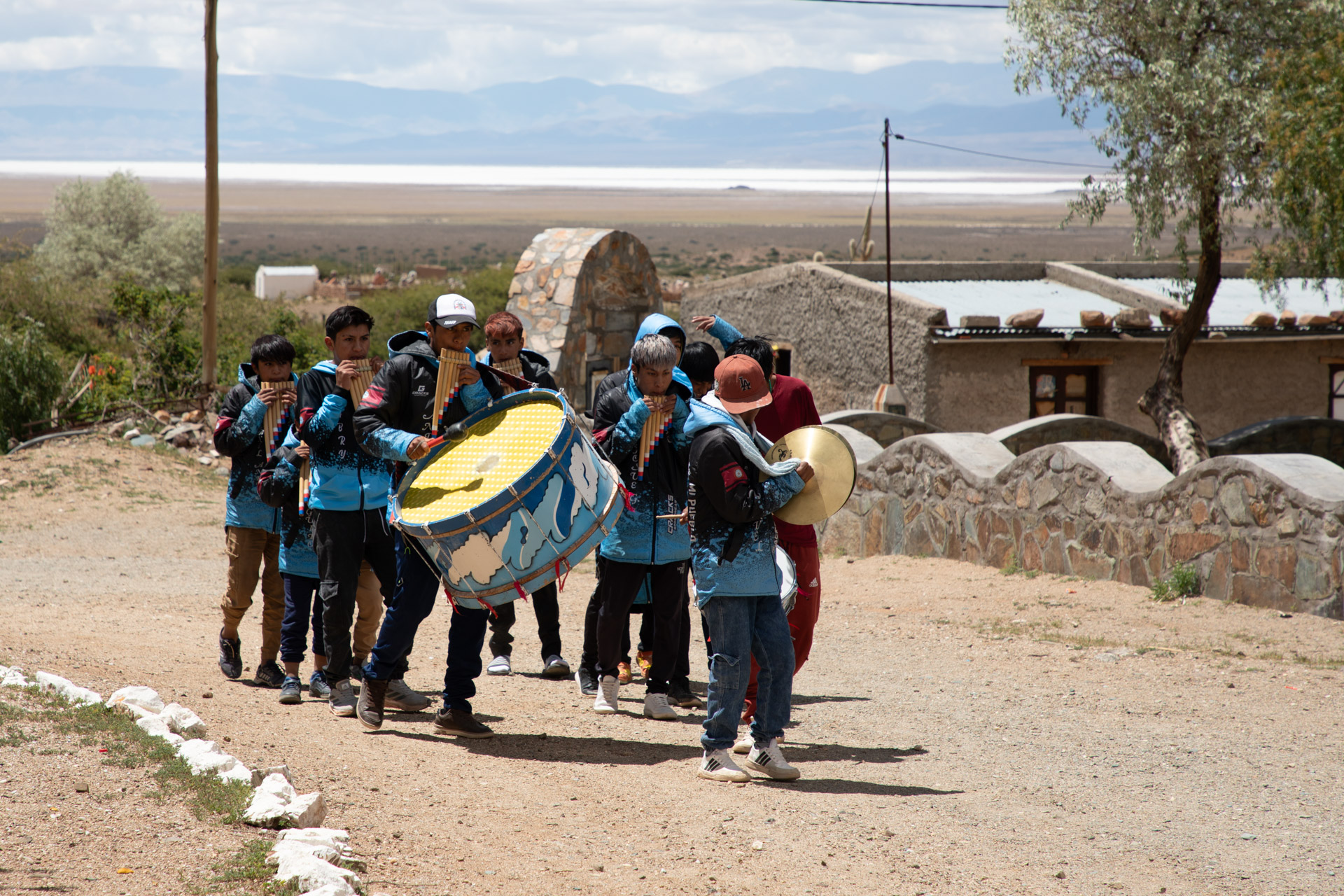
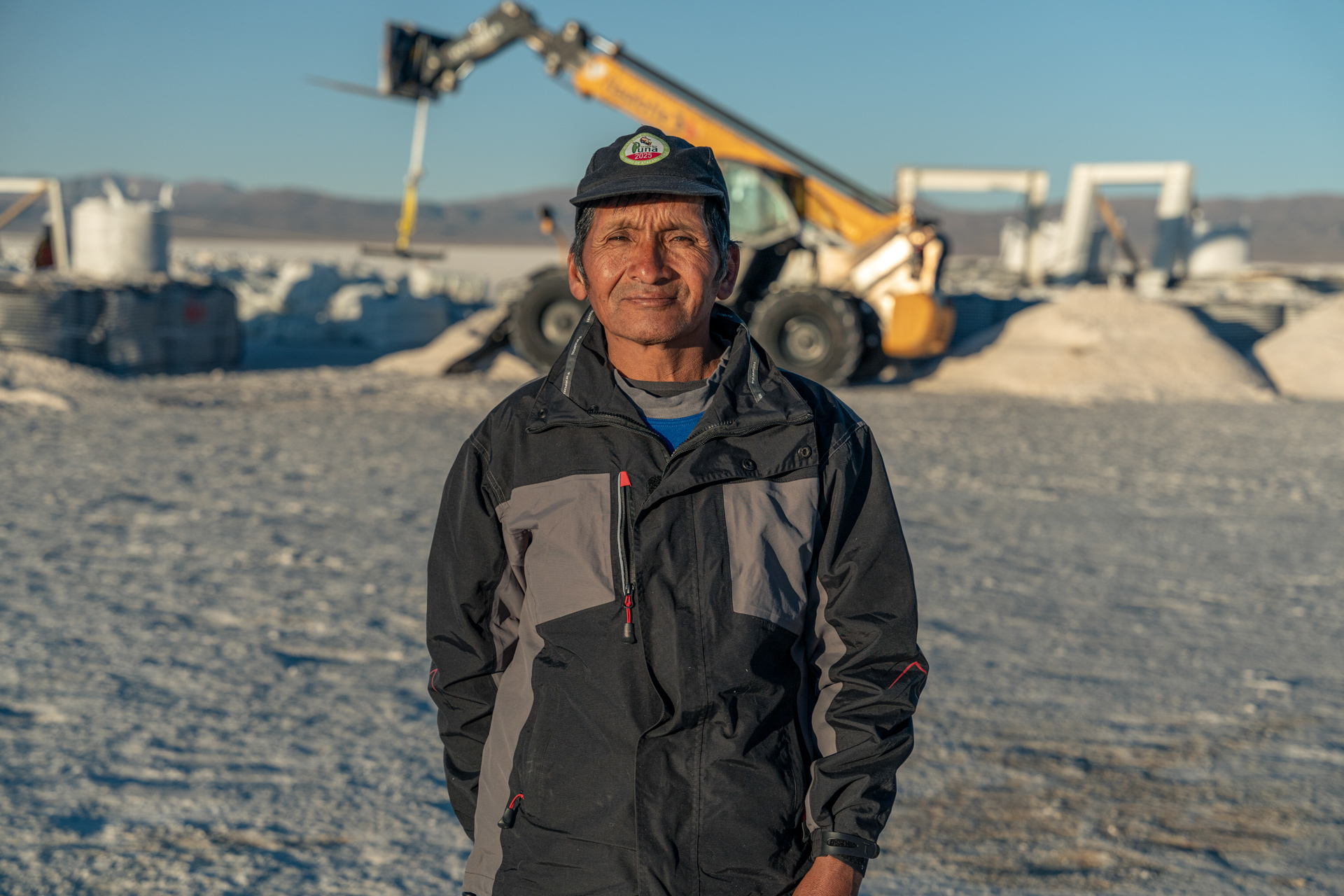
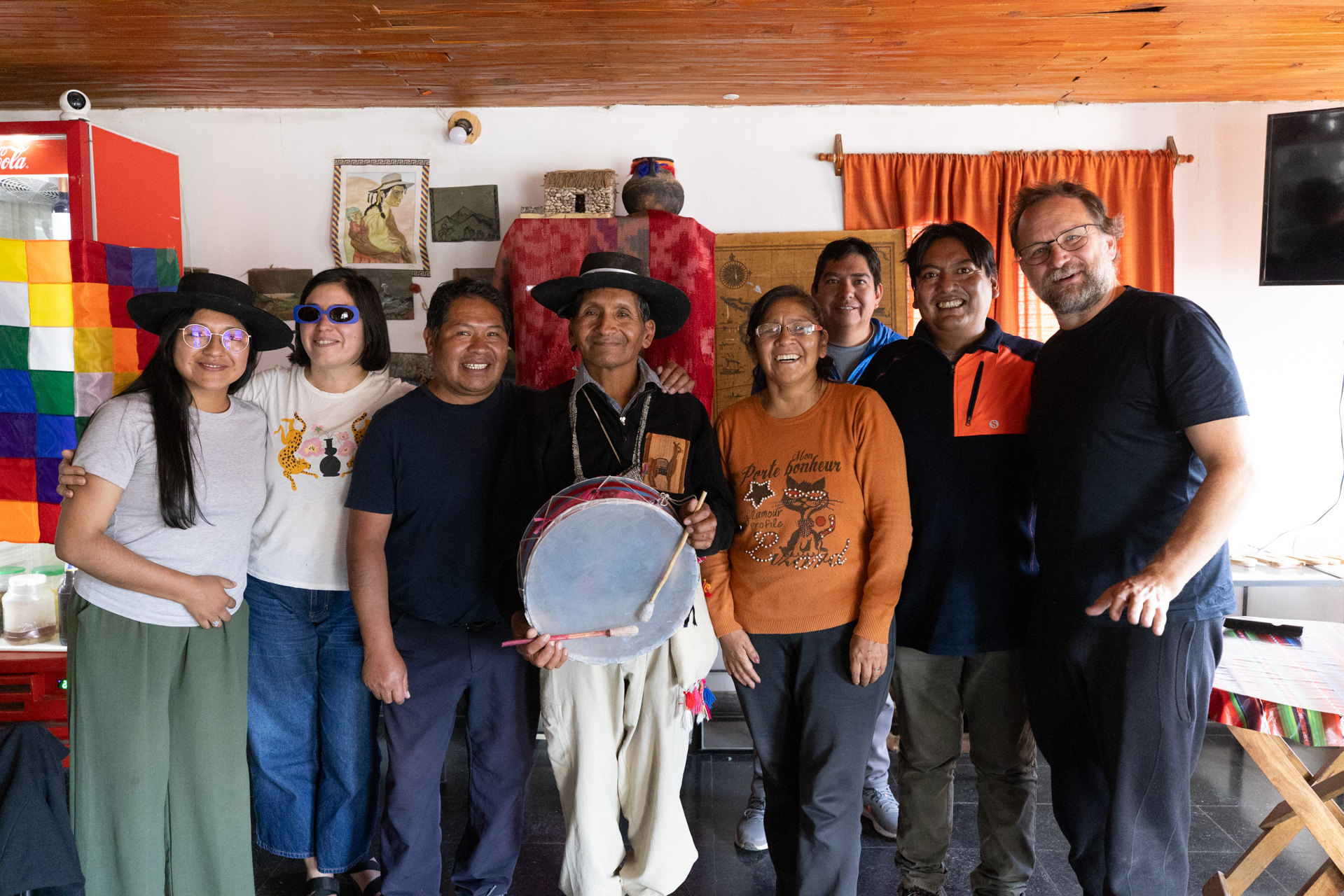
We open our territory to you as a place to encounter. Walk with us, listen to our stories, share our food, our music, our knowledge, and our ways of seeing the world. The Puna is alive. Your visit helps sustain our communities and the defense of water that gives life to us all.
WHY THIS EXISTS
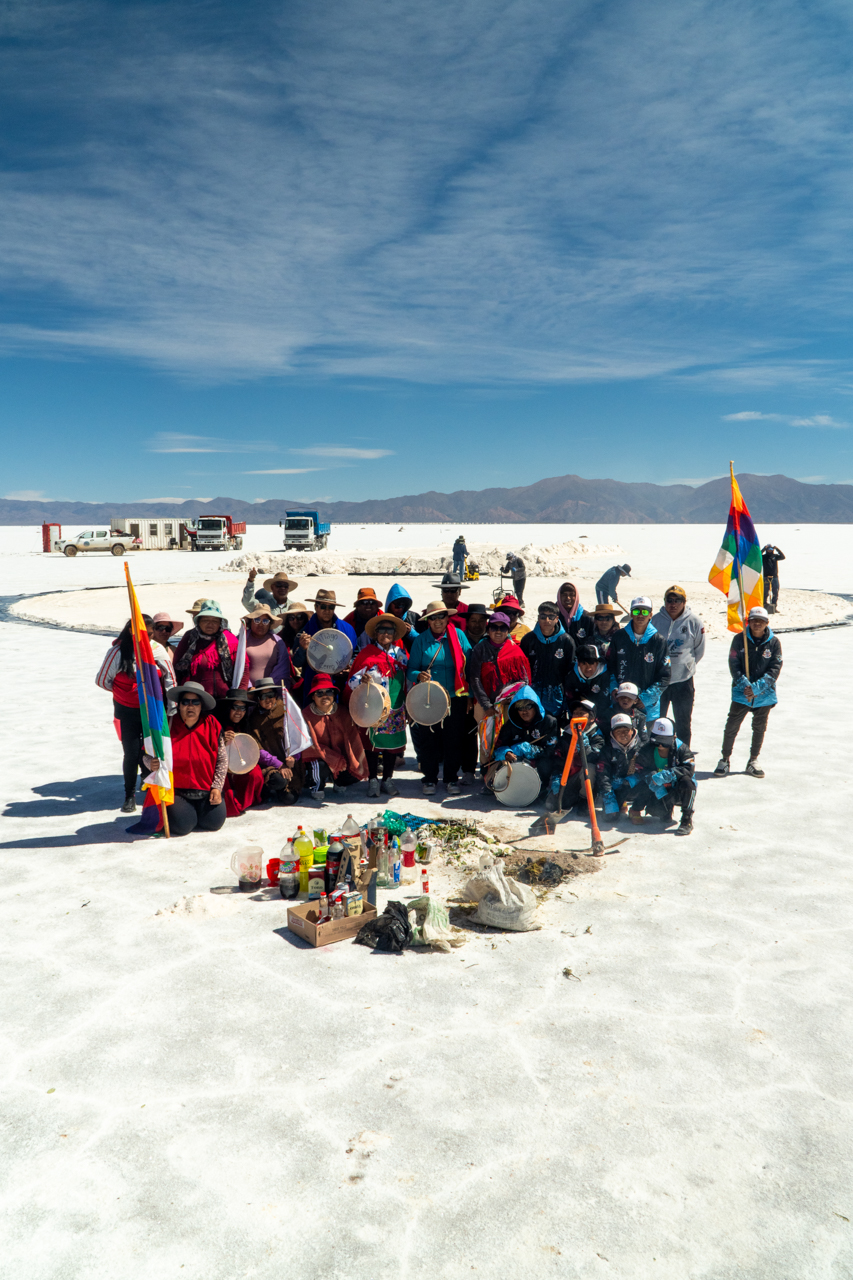
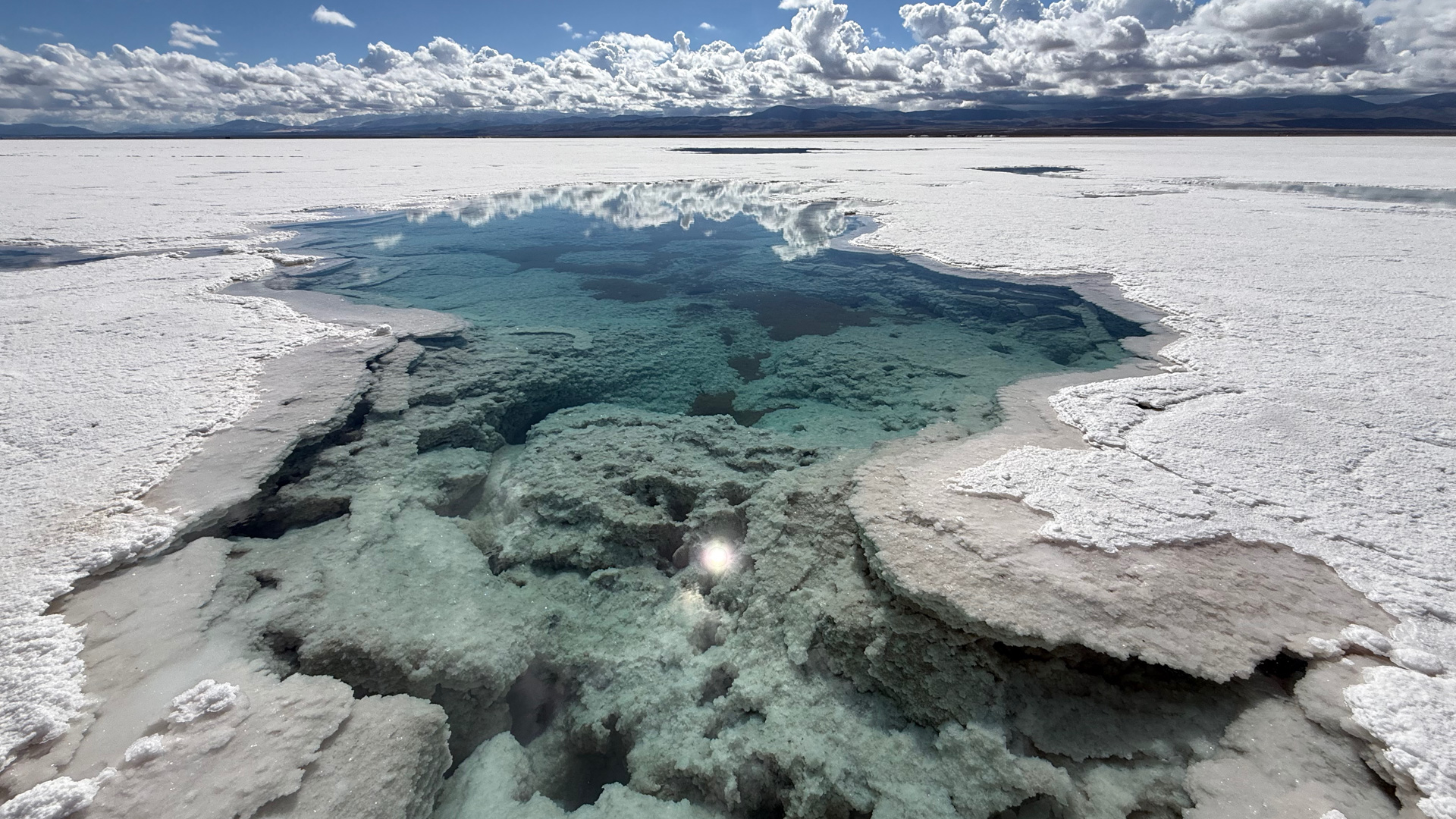
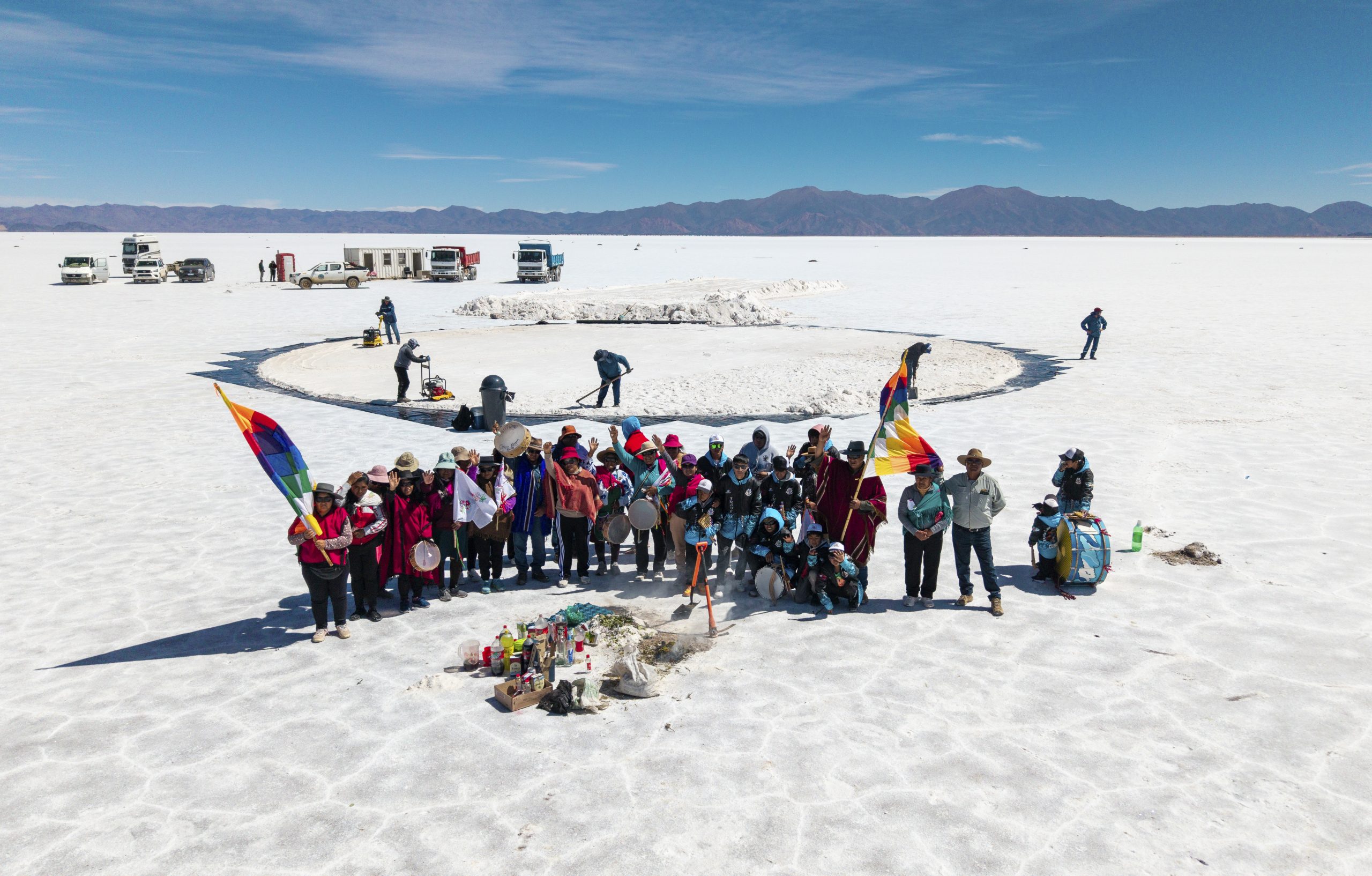
We care for water and for wetlands, for the flora, fauna, landscape, and the people we meet. We care for and reaffirm the value of memory, language and ceremony. The salar is not an empty place and is the responsibility of us all to preserve and maintain its vital cycles of water and life.
COME AND MEET US
COME AND VISIT US
A WORLDVIEW IN COMPLMENTARITY
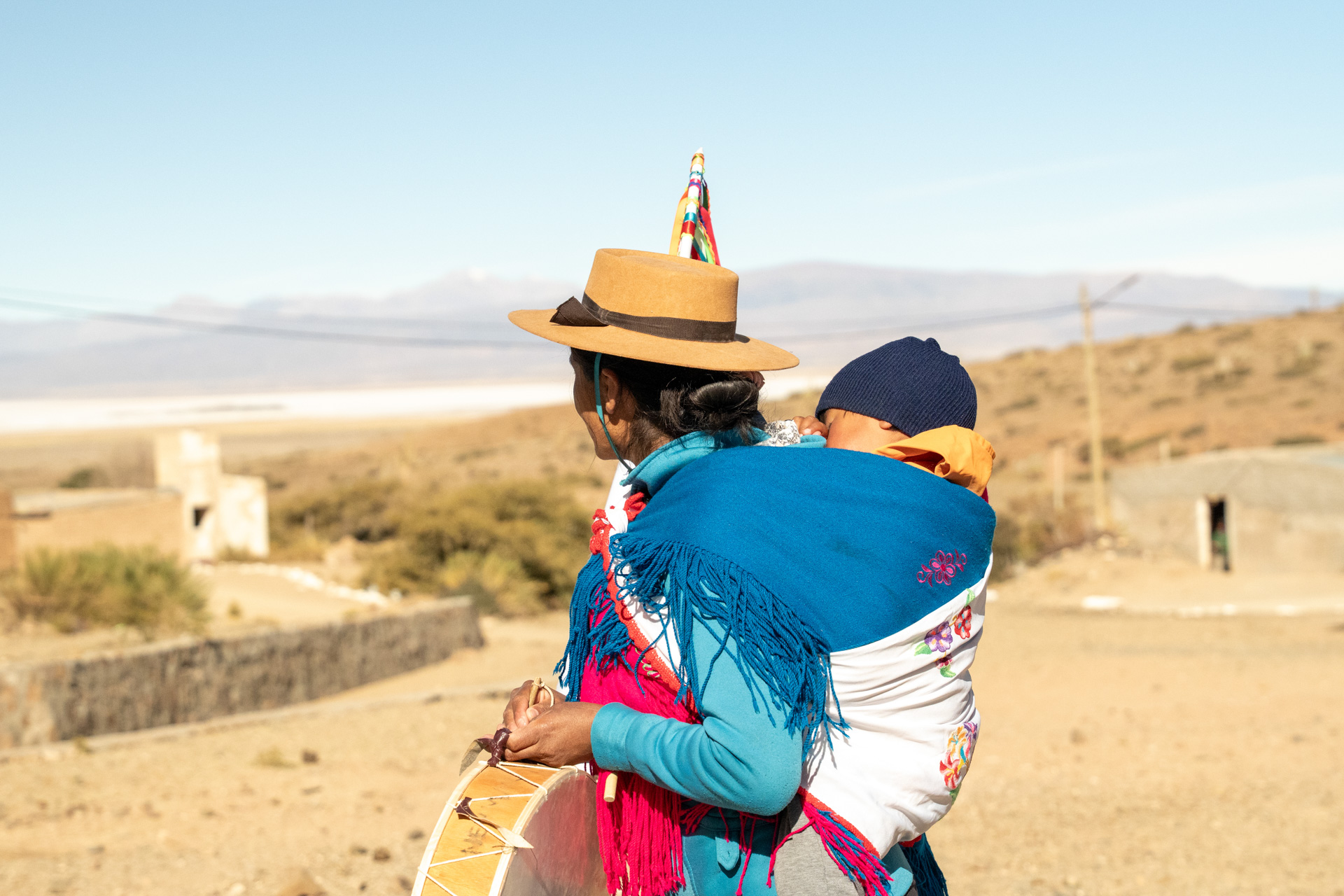
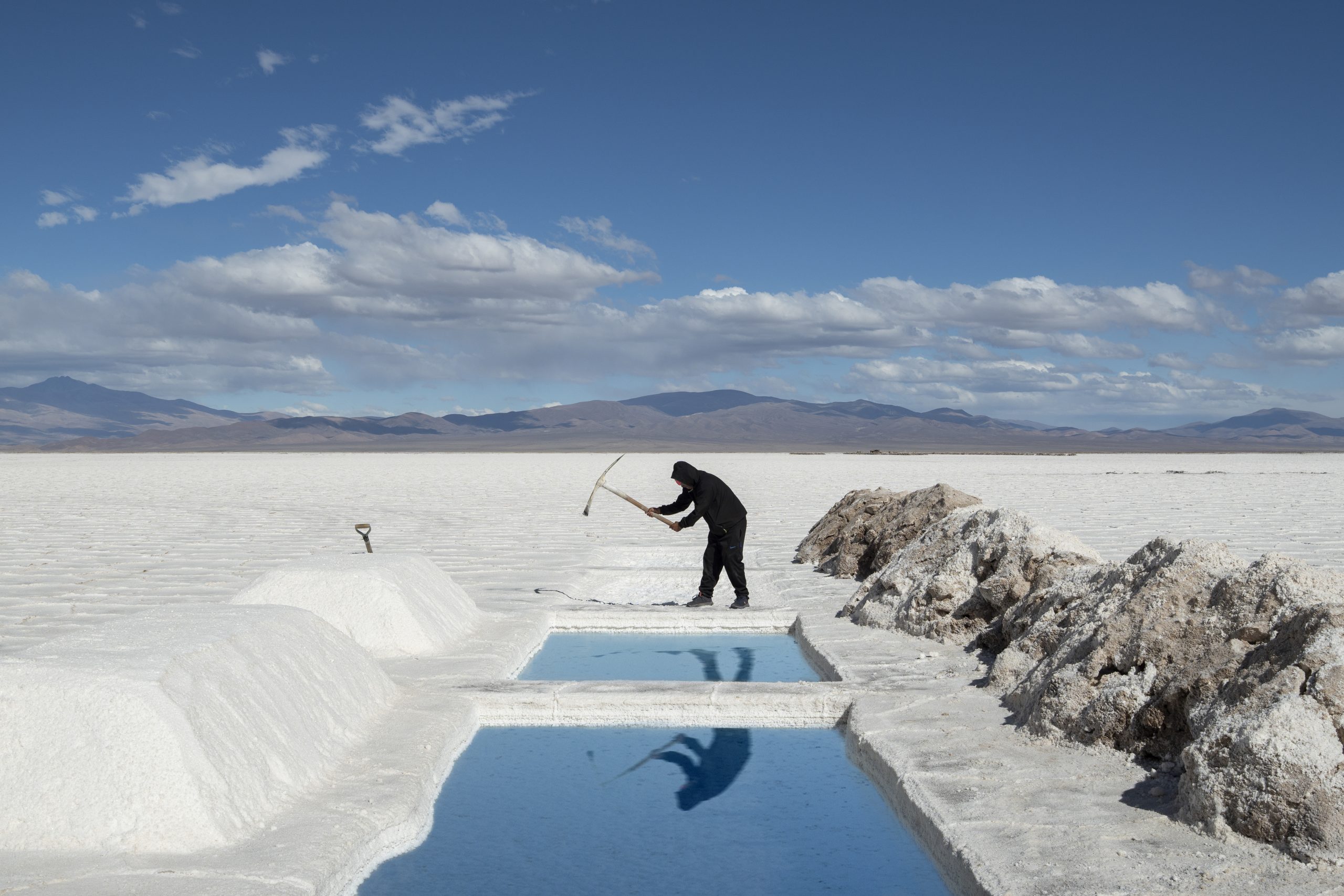
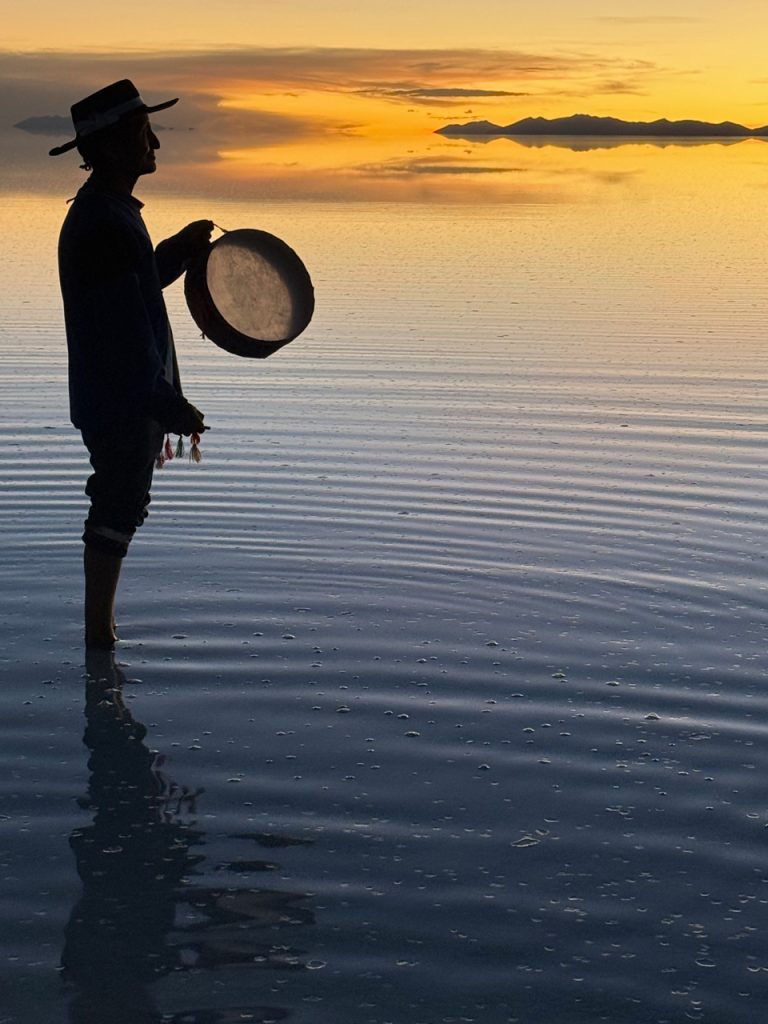
Our knowledge of this high-altitude territory—plateau and mountain range—is ancestral and embodied in its waters, its salt, its stars, and its ancient trade routes.
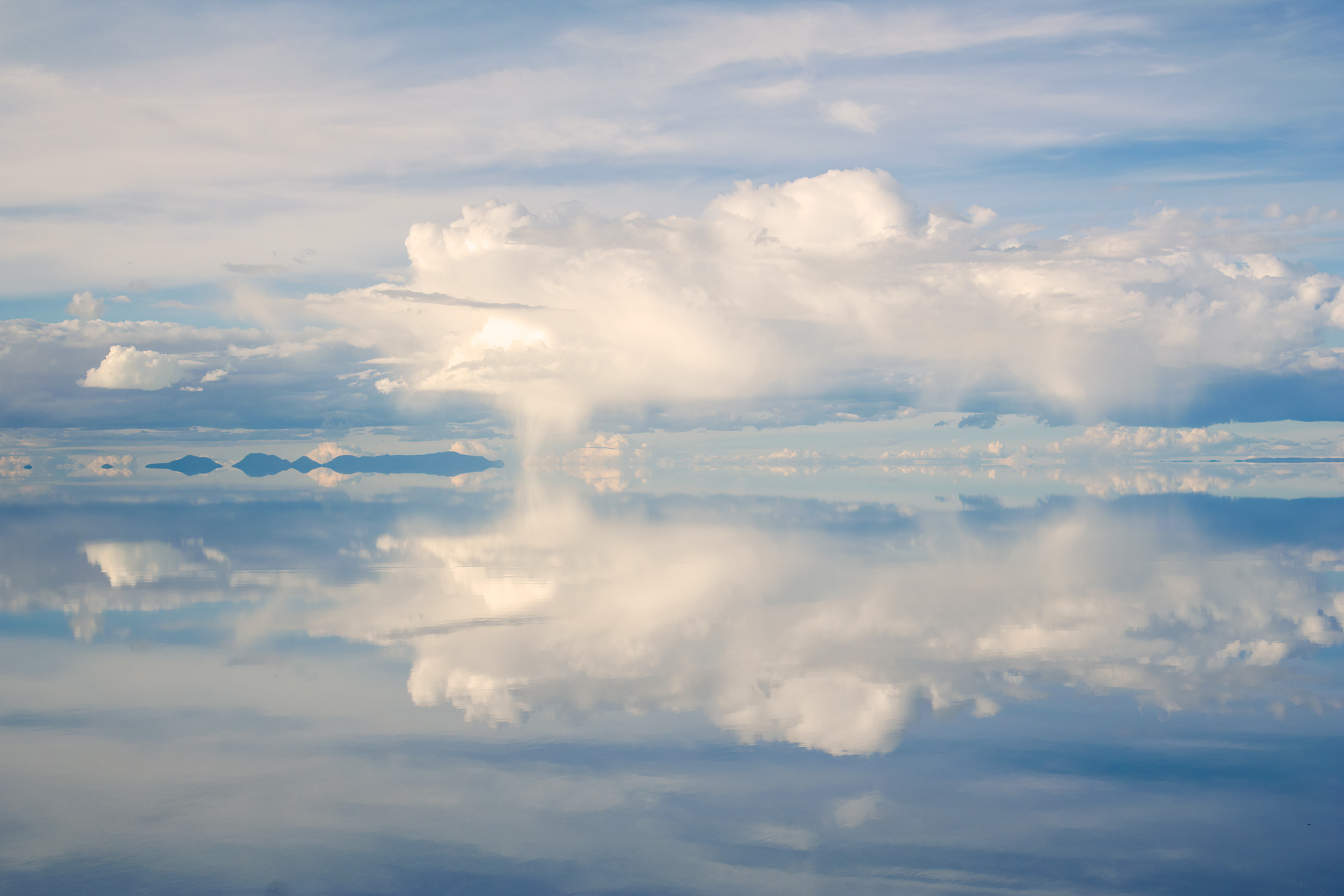
This way of life is not something from the past, nor something left behind; it continues in the present, breathing with the cycles of the Earth. We speak, and we welcome you.
—Luisa Casimiro, Lickanantay Corralitos Community, Red Atacama
COSMOVISIONS
WHO WE ARE
WATER AND LIFE
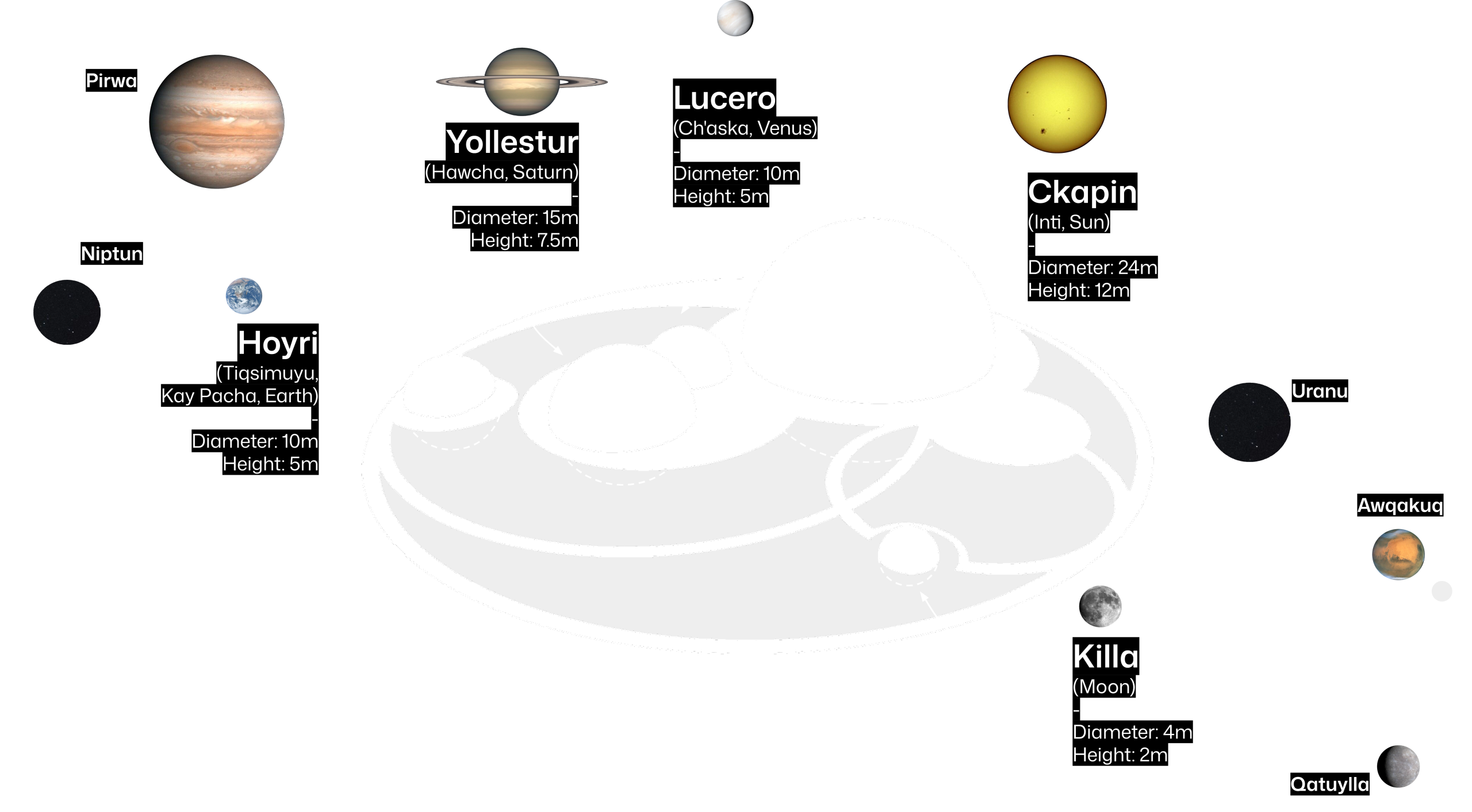
Hanan Pacha, the world above, of the sky and the stars; Kay Pacha, the world here, where we dwell; Ukhu Pacha, the world below, of waters, roots, and our ancestors. The ojos del salar—the eyes of the Salinas—are the place where these worlds meet.

A SANCTUARY FOR ALL
—Red Atacama
AN OFFERING TO PACHAMAMA
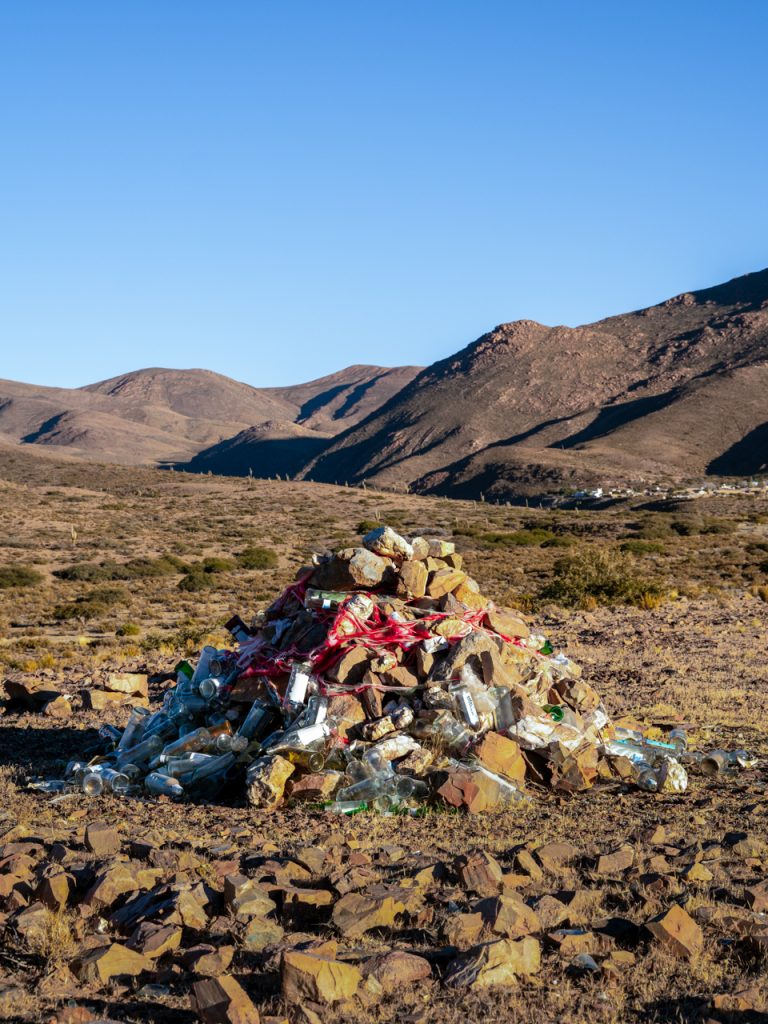
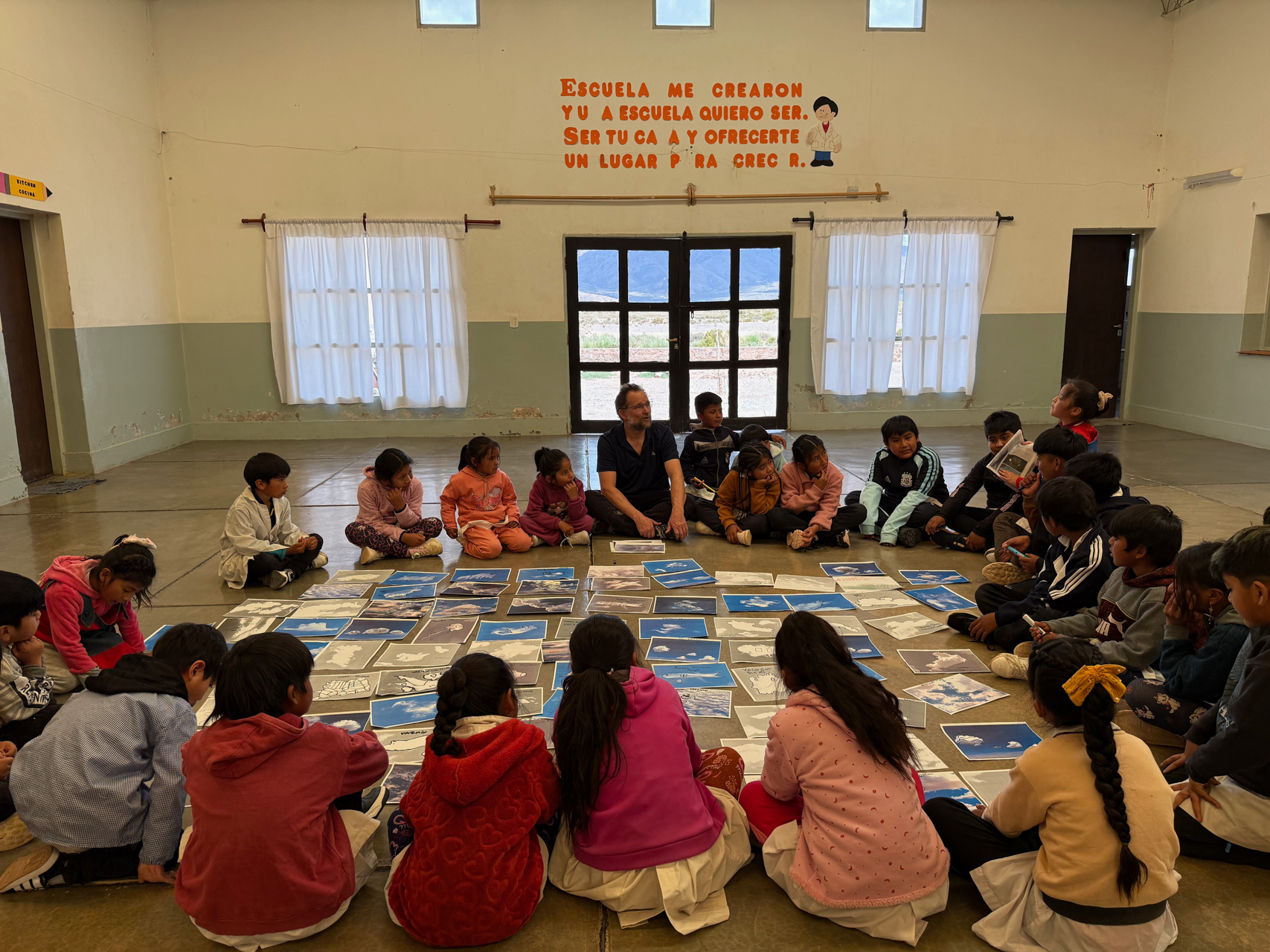
Across the high passes of the mountain range, apachetas rise from the earth. Each is an offering to apu (the mountain), to the path, to those who came before, and to those who will come after. They grow through the hands of each person who leaves their stone; they are woven together and do not belong to a single person. The Sanctuary rises in the same way.
—Red Atacama
BRICK BY BRICK
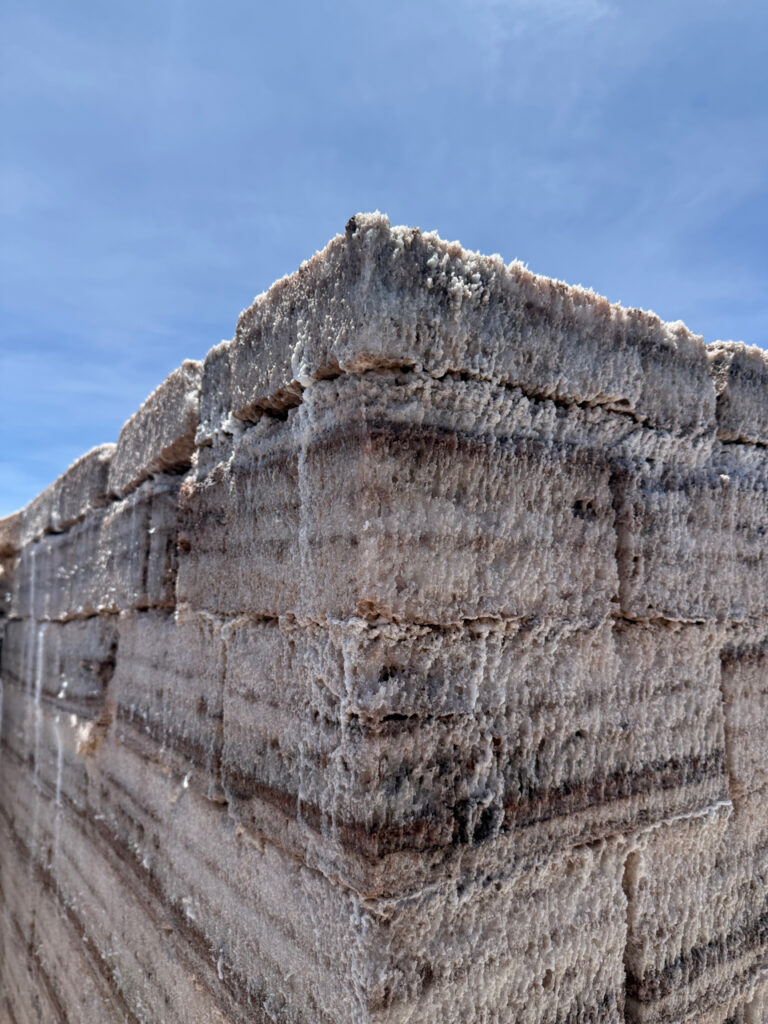
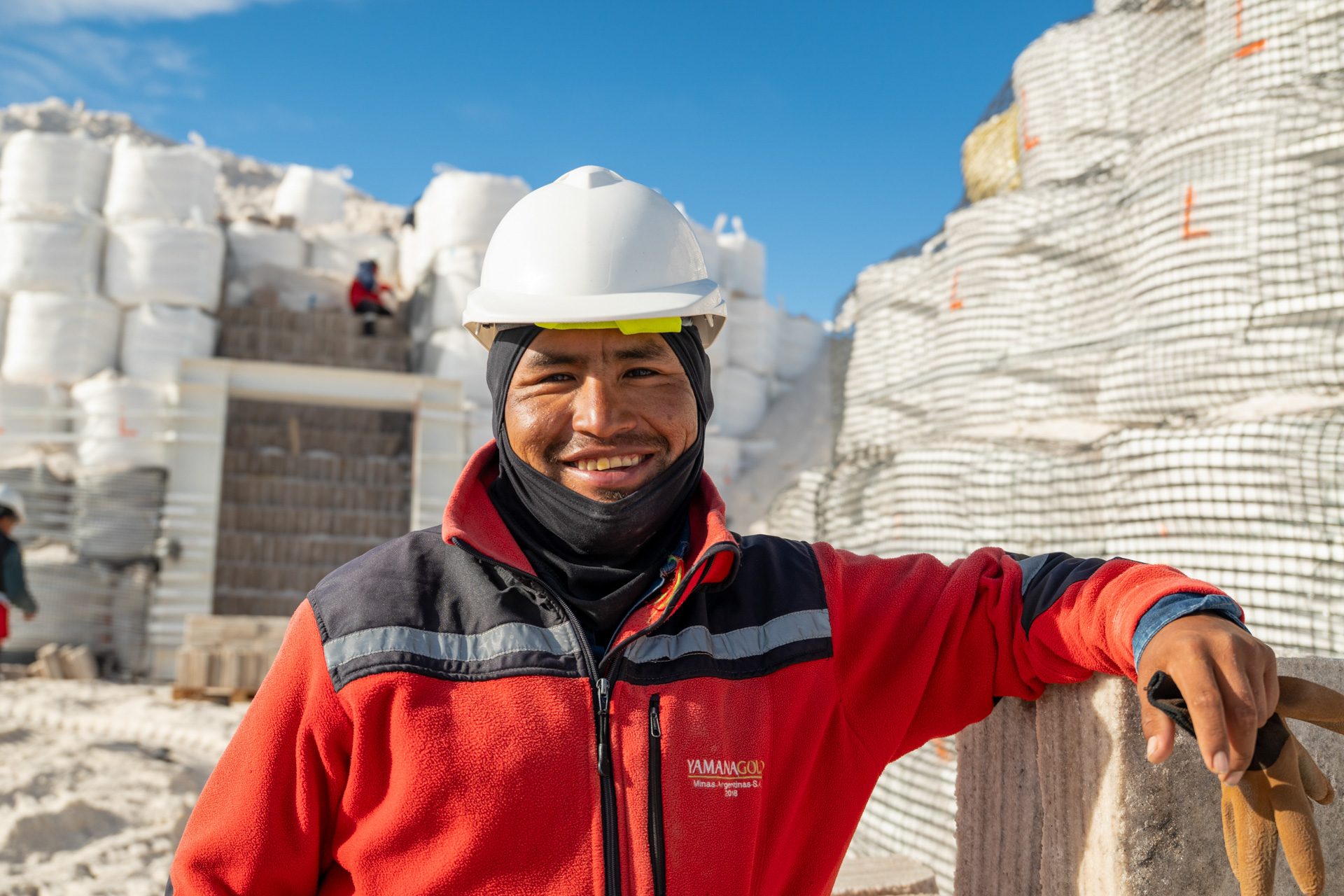
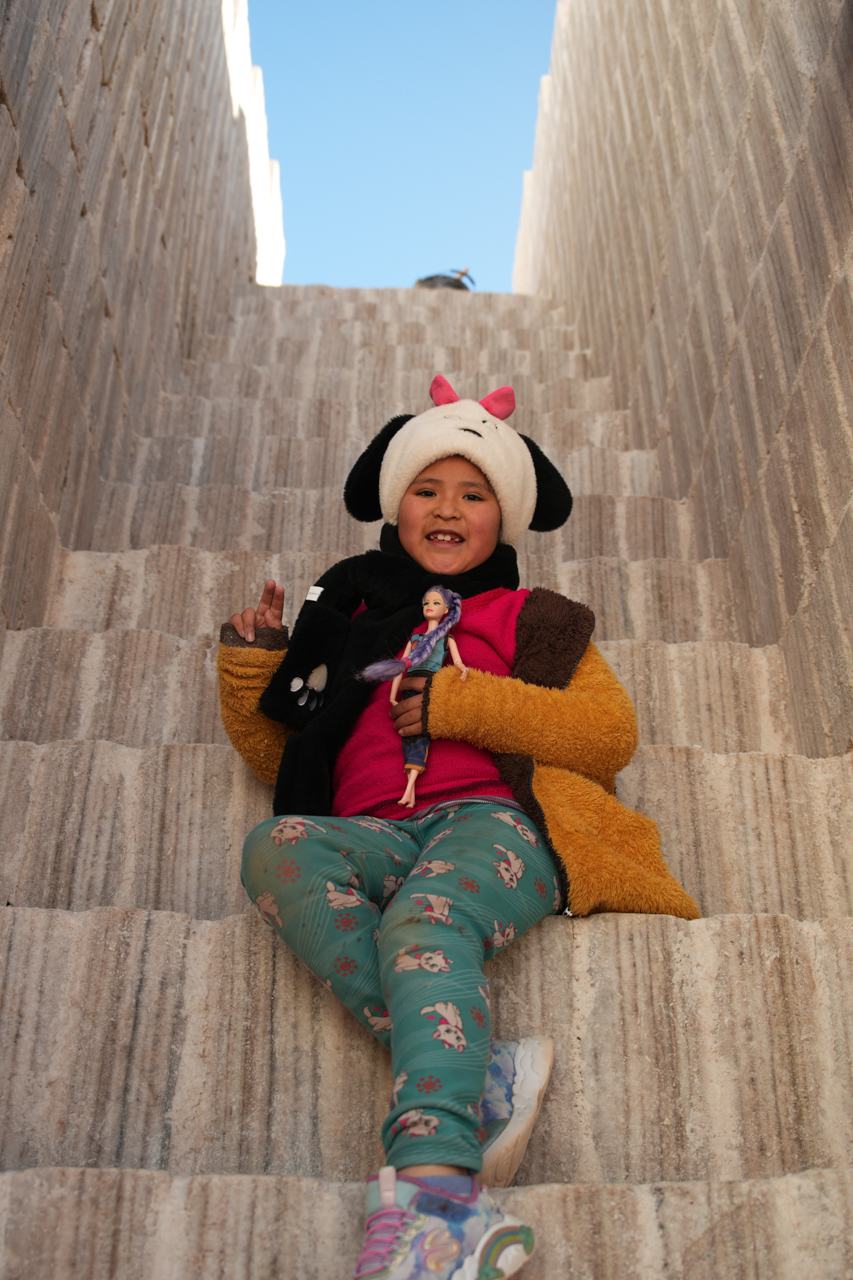
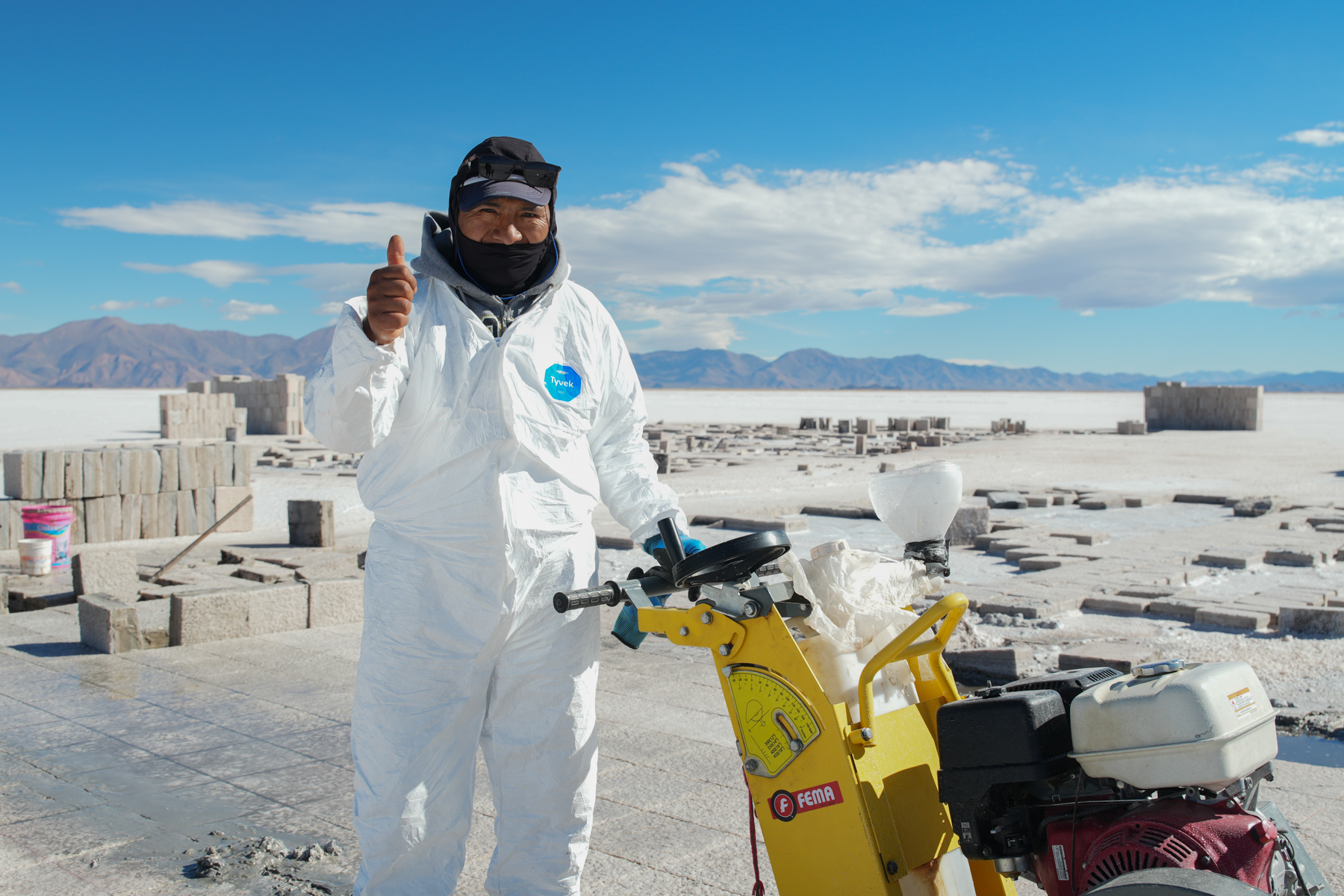
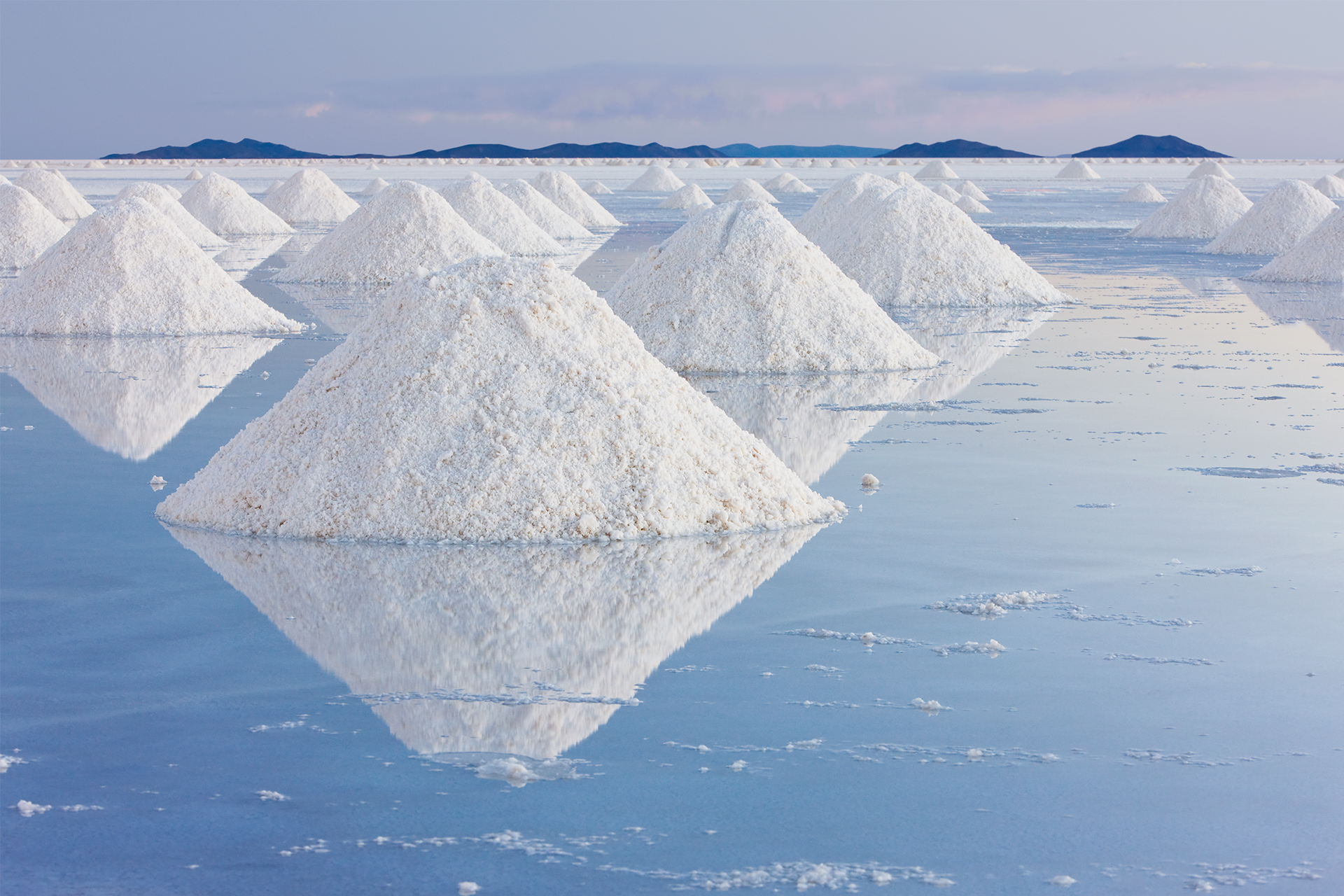
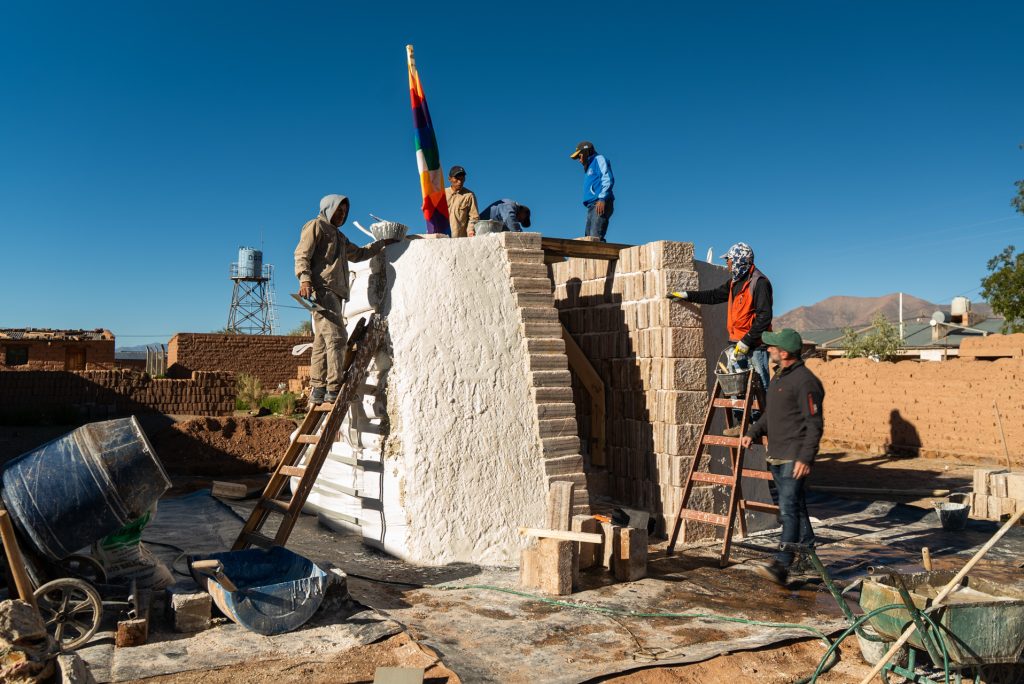
Nearly 12,000 salt bricks cut and raised by hand form stairways that ascend to miradors as high as fifteen meters, aligned with constellations important to us such as the Southern Cross.
The Sanctuary may not endure. It may be stopped before it is finished, or fall once it stands. But to raise it together proves that another path exists. Every grain of salt, every drop of water… counts.

FOR BUEN VIVIR
—Graciela Speranza
RED ATACAMA

The Sanctuary of Water is conceived by artist Tomás Saraceno for and with the Indigenous communities of Salinas Grandes, with the support of Haus der Kunst in Munich, Germany, Aerocene Foundation, Studio Tomás Saraceno, and many others.
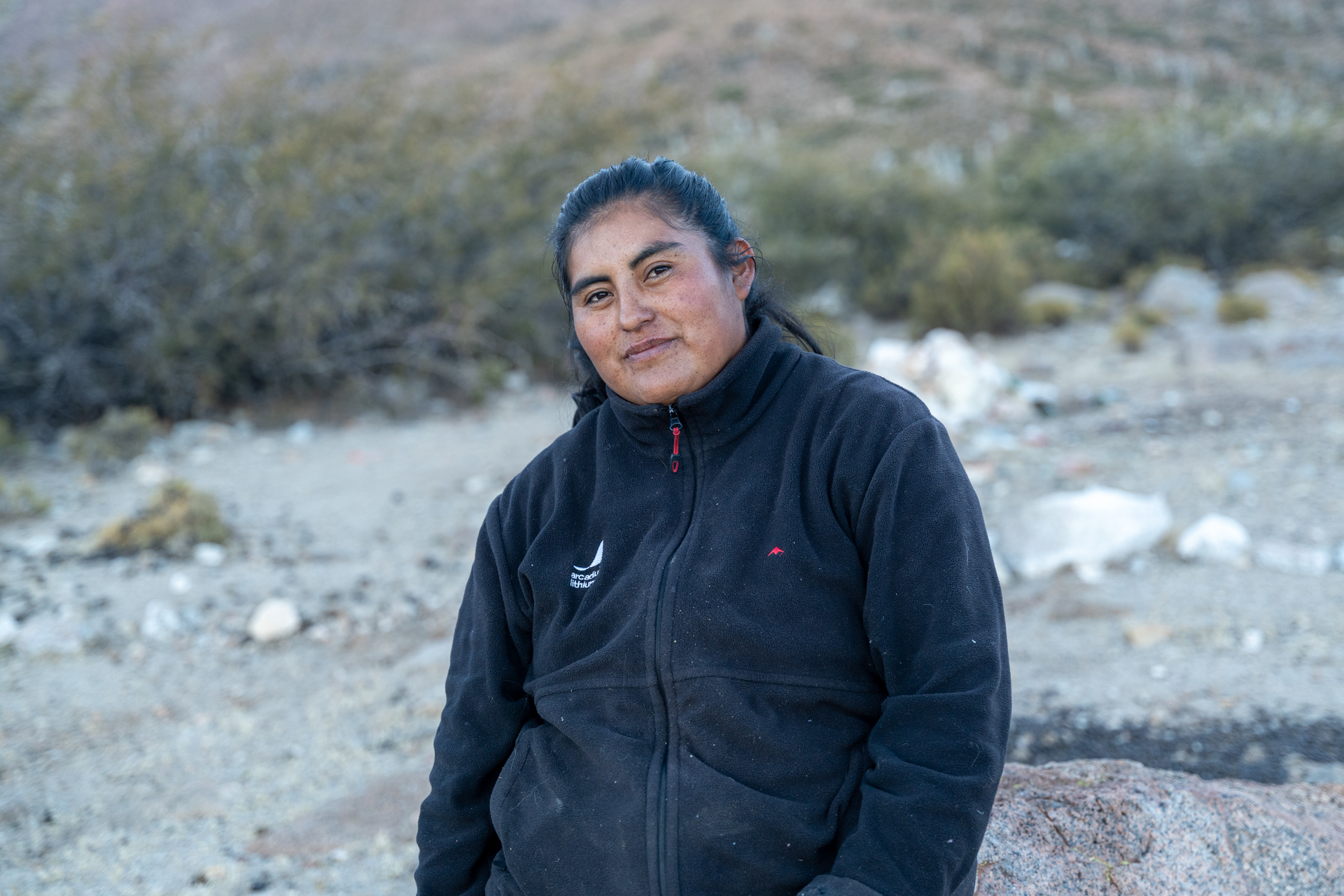
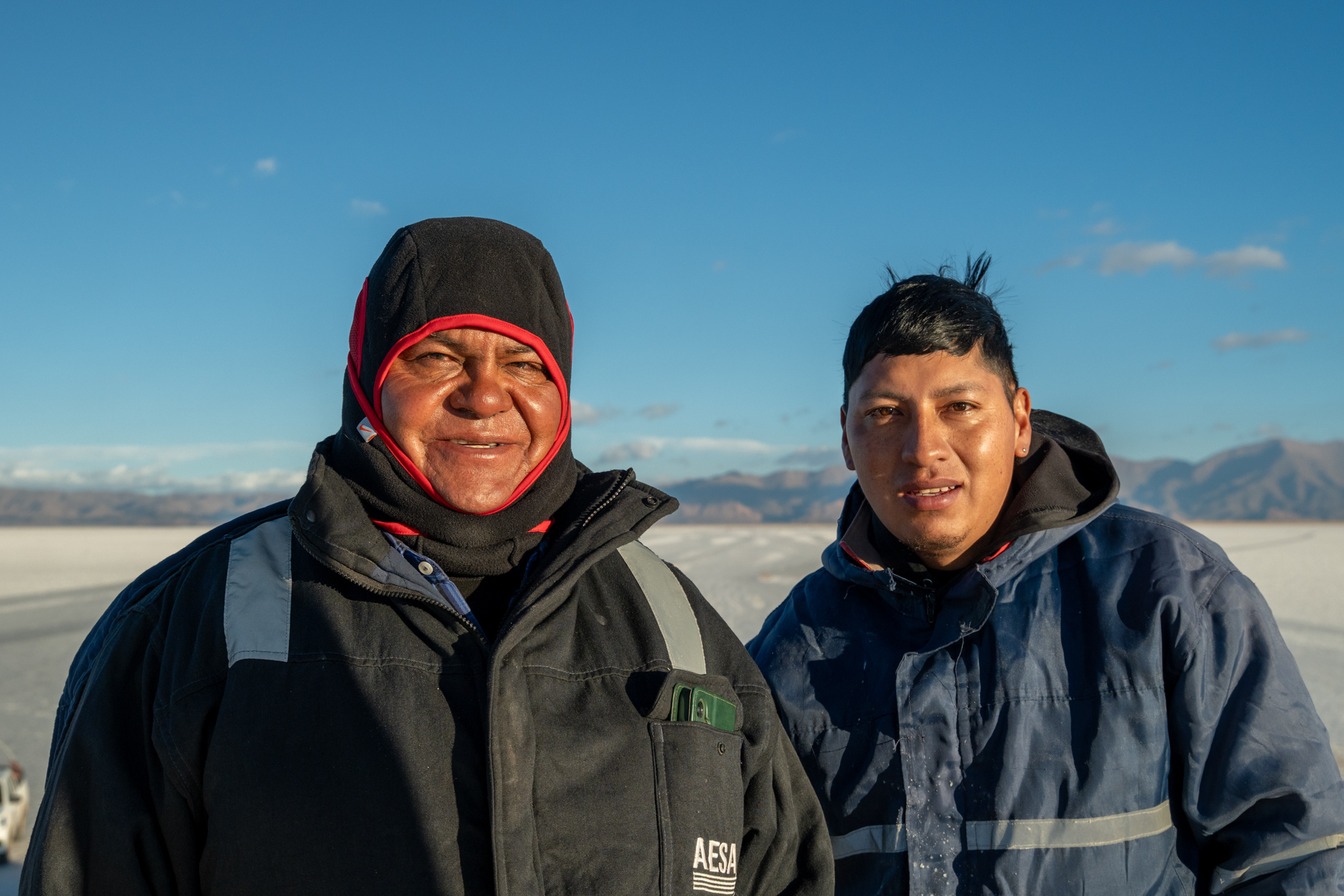
It is carried forward by the leading role and constant presence of the 11 communities that form the Red Atacama Community of Salinas Grandes whose support forms the ground is so valuable. Our deepest gratitude goes to every one of them: Comunidad de Cerro Negro, Comunidad de Rangel, Comunidad de San José de Esquina Blanca, Comunidad de Incahuasi, Comunidad de Matancillas, Comunidad de Linka Antai Corralitos, Comunidad de Cobres, Comunidad de Esquina de Guardia, Comunidad de Raíces Andinas, Comunidad de Tipan, and Comunidad de Casa Colorada. As well to all the communities of the Salinas Grandes and Laguna de Guayatayoc, especially Verónica Chávez.
For their support, warm thanks to Andrea Lissoni and Sarah Johanna Theurer, from Haus der Kunst in Munich, Germany.
To all the individuals and institutions who have supported this artwork: Lisl Schöpflin, Hans Schöpflin, Fondazione Candido Speroni e Carla Fendi Speroni, Francesca Thyssen-Bornemisza / TBA21 Thyssen-Bornemisza Art Contemporary, Garance Primat, Fabio Gandolfini, Teiger Foundation, Brainlab, Goethe Institut, Agustina Strüngman / Salta Art, Fondazione Falcone per le Arti e le Culture del XXI Secolo, Bank Ifis / Ifis art.
Friends of the Sanctuary of Water: Horacio Ruiz, Paola Salaberri, Claudia Lamas, Nikole Naylor, Pía Marchegiani and Vanina Corral from FARN, Wolfgang Kaleck, Macarena Albarracín, Santiago Escarrá, Iber Sarapura, Ariel de la Cruz Lamas, Fernan Goldin, Maya Mercer, Verónica Mercer, Barbara Göbel, Fabio Bassan, Nils and Lars Diederichsen of the Instituto MEIO, Maximiliano Laina, Hernán Vilchez, Paolo Falcone, Inés Katzenstein, Alejandro Coripa, Matias Duarte, Rodrigo Sola, Diego Morales, Jose Luis Bustamante.
Institutional Partners: Castello di Rivoli Museo d’Arte Contemporanea, Museo de Arte Moderno de Buenos Aires, Musei Nazionali di Genova – Palazzo Reale, BLU Association ETS.
* In the indigenous Atacameño worldview, ‘ceremonial or ritual centre’ is the equivalent of the Western concept of a sanctuary. Therefore, in the native Ckunza language, ‘water’ is ‘puri’, and ‘nuckyumtur’ is a compound word consisting of ‘nuckyum’—meaning ‘sacred’, ‘ritual’, or ‘ceremonial’—and ‘tur’, meaning space or place. Thus, the meaning of Puri Nuckyumtur is ‘ceremonial centre of water’ or ‘ceremonial space of water’. (Ivan Arjona)
Photography: Ramiro Caporin, Àlvaro Simón Padrós, Studio Tomás Saraceno, Ivar Velásquez, Dalmiro Zabala
Constellation photo: Serge Brunier, courtesy of ESO
Film: Álvaro Simón Padrós